
PSYCHOLOGY
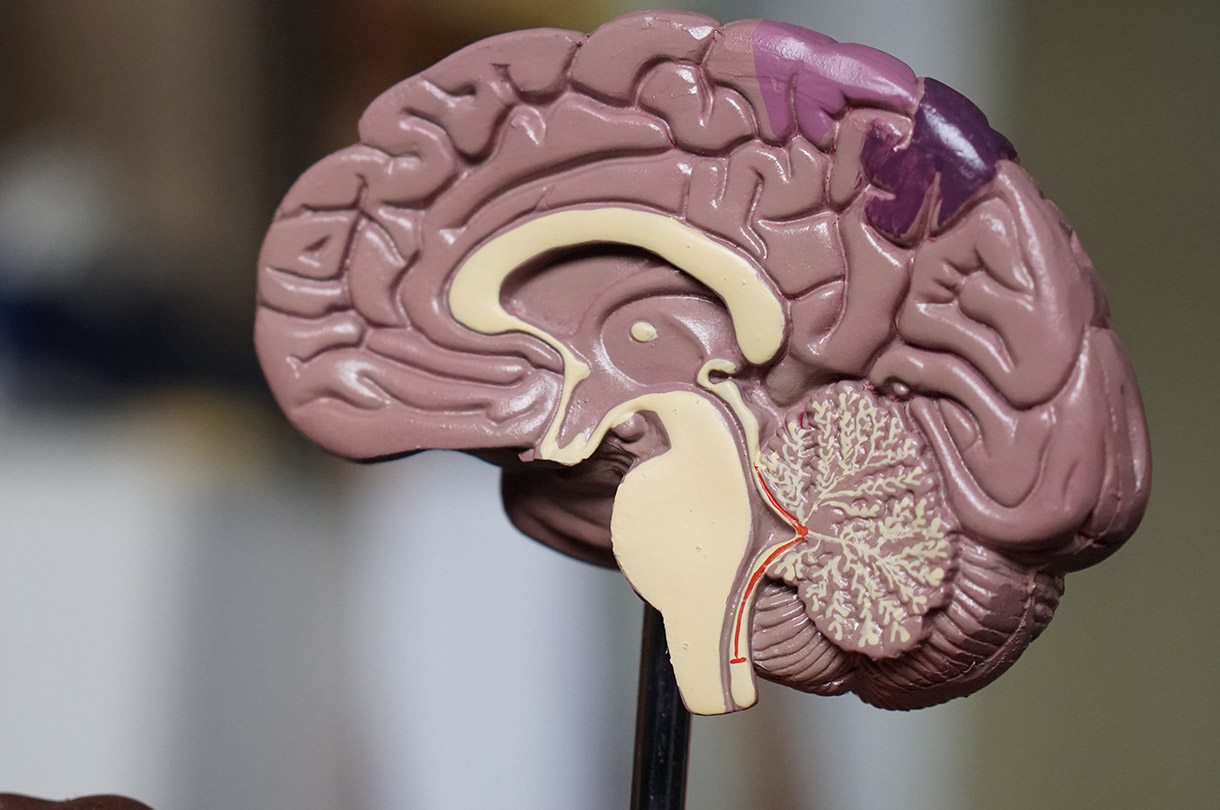
Psychology is a popular subject due to the appeal of being able to explain human thoughts, feelings and behaviours. The appeal is further enhanced by the vast and varied applications that psychology encompasses, from mental health treatments to improving the accuracy of eyewitness testimonies.
COURSE AT A GLANCE
ENTRY REQUIREMENTS
Five GCSEs Grade 4-9 (including Maths, English Language and other supporting subjects). If you want to study a full A Level programme, you will need at least two grade 5s in supporting subjects as part of your five grade 4–9s.
Extra requirements: Grade 5/5 in Combined Science and Grade 6 in a supporting subject.
Please note: entry criteria could be subject to change due to the government's Review of Qualifications Reform programme.
QUALIFICATION TYPE: A Level
EXAM BOARD: Eduqas
LENGTH: 2 Years
MORE ABOUT THIS COURSE
WHAT YOU'LL STUDY
You’ll study the range of explanations offered by five different psychological perspectives. You’ll learn the crucial skills required to conduct valid and reliable psychological research. You’ll focus on specific behaviours in-depth, including criminal and schizophrenic. And finally, you’ll analyse various controversies, such as whether using animals in psychological research can ever be justified.
HOW YOU'LL STUDY
You’ll learn by applying your knowledge to real world behaviours, scenarios and interventions, including a range of therapies, such as cognitive behavioural therapy and a range of contemporary debates, such as ‘should mothers be the primary caregiver of children?’.
You’ll conduct two research projects and this provides a vital opportunity for you to develop and perfect your understanding of research methods.
ASSESSMENT
You will sit three exams at the end of the two-year course. Each exam is worth 33.33% of your overall A-level qualification. There is no coursework element.
CAREERS AND DESTINATIONS
Studying A Level psychology enables students to develop important skills in writing, analysis and evaluation. It is valued as a rigorous academic subject by universities and is also relevant to career paths involving interaction with people.
Examples include: journalism, medicine and sports management. Students may also decide to follow a career in a field of psychology, such as clinical or educational. We organise guest lecturers from psychologists and trips to university psychology faculties.