
GEOGRAPHY
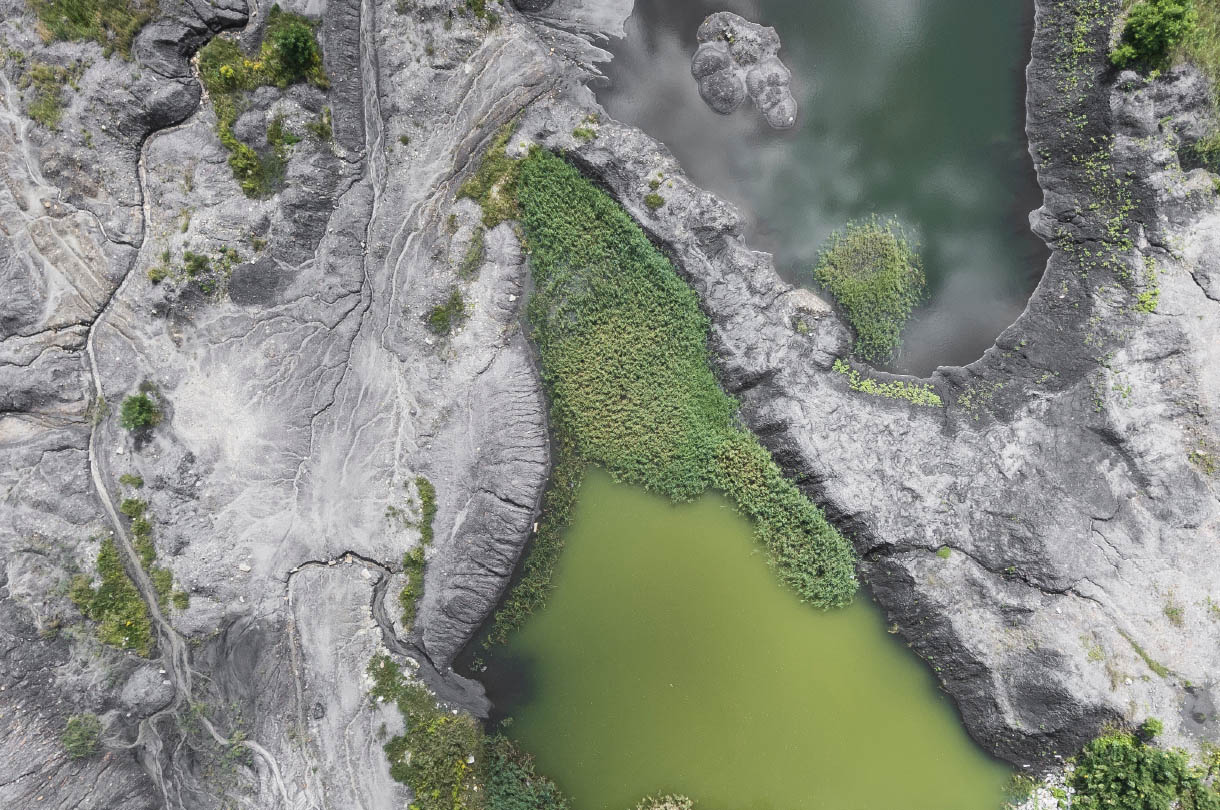
Are you interested in the world around you? Do you want to know how the human and physical environment is changing? If so, A Level Geography is the course for you!
COURSE AT A GLANCE
ENTRY REQUIREMENTS
Five GCSEs Grade 4-9 (including Maths, English Language and other supporting subjects). If you want to study a full A Level programme, you will need at least two grade 5s in supporting subjects as part of your five grade 4–9s.
Please note: entry criteria could be subject to change due to the government's Review of Qualifications Reform programme.
QUALIFICATION TYPE: A Level
EXAM BOARD: Edexel
LENGTH: 2 Years
MORE ABOUT THIS COURSE
WHAT YOU'LL STUDY
Over the two years of the course, you will study a wide range of topics that integrate human and physical geography. The units:
- Unit 1 – Tectonic processes and hazards; coastal landscapes; the water cycle and water insecurity; the carbon cycle and energy insecurity.
- Unit 2 – Globalisation; diverse places; superpowers; development and human rights.
- Unit 3 – Place-based investigation – an unseen information booklet exam regarding a topical issue in a specified place.
- Unit 4 – A 3,000-4,000-word independent fieldwork investigation on a topic of your choice from the course.
HOW YOU'LL STUDY
You will undertake a minimum of four days of course-related field work at Scout Moor Windfarm, the North Wales coastline, Liverpool, and Manchester.
There are also opportunities to attend university study days, Manchester Geographical Association lectures, lectures at local universities, and listen to talks from NGOs.
ASSESSMENT
You will sit three exams at the end of your second year. These, together with your coursework, will give you an A Level qualification.
CAREERS AND DESTINATIONS
Geography A Level graduates develop a wide range of transferable skills: report writing, numeracy, IT, decision-making, independent research and problem-solving. These skills help graduates have one of the highest employment rates.
Geography bridges the arts and sciences, giving flexibility for higher education courses, such as those in planning and environmental management, as well as into areas such as business, law, development work and human rights.