
BIOLOGY
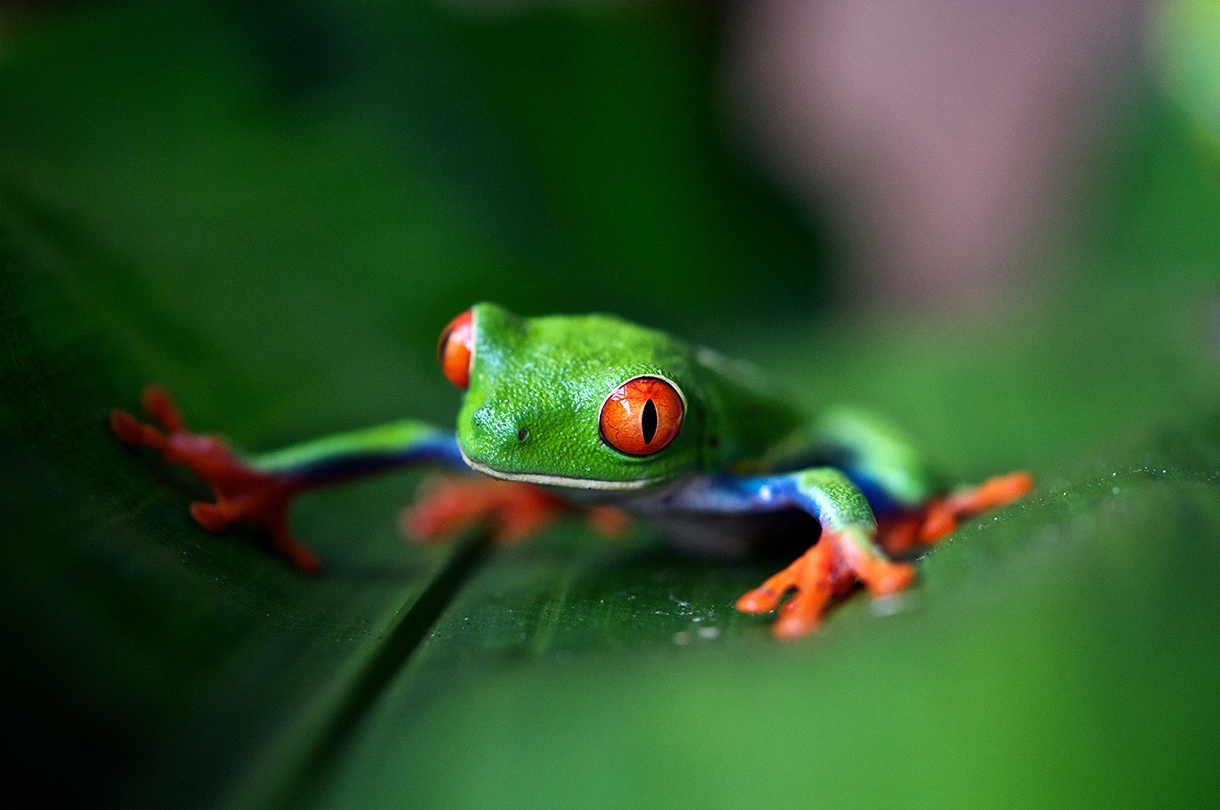
Are you interested in how living organisms operate? Do you want to find out more about the natural world that surrounds you? If so, biology may be the perfect subject for you and your future.
COURSE AT A GLANCE
ENTRY REQUIREMENTS
Five GCSEs Grade 4-9 (including Maths, English Language and other supporting subjects). If you want to study a full A Level programme, you will need at least two grade 5s in supporting subjects as part of your five grade 4–9s.
Extra requirements: Grade 6 in GCSE Biology or 6/6 in Combined Science; and Grade 5 in Higher Tier GCSE Maths. Students with a Grade 6 in GCSE Maths will be prioritised.
Please note: entry criteria could be subject to change due to the government's Review of Qualifications Reform programme.
QUALIFICATION TYPE: A Level
EXAM BOARD: OCR
LENGTH: 2 Years
MORE ABOUT THIS COURSE
WHAT YOU'LL STUDY
In the first year, you’ll study the structure of different types of cells and learn how these interact to form functioning tissues, organs and systems. Learning is divided into topics.
In the second year, you’ll cultivate your knowledge of mammalian and plant physiology, genetics, gene technology and cloning.
Throughout the course you will be making links to develop your understanding of the dynamic and interactive nature of biology.
HOW YOU'LL STUDY
Through a range of activities, including required practical and group work. You’ll participate in a number of field trips that develop these skills, such as the study of biodiversity in habitats.
You’ll be supported in developing your independent study skills in preparation for university. We run a Biomedical Society which involves guest speakers covering a range of biomedical science topics, and also includes projectwork and dissections.
ASSESSMENT
At the end of the course, you will sit three written papers which contribute to your overall grade. Practical work does not contribute to your final grade, but the development of practical skills will be essential to obtain your practical endorsement; a component that will be important if you wish to study a Science subject at university.
CAREERS AND DESTINATIONS
Biology can lead to a wide variety of higher education courses, such as pharmacology, medicine, zoology, conservation and biomedical sciences. Studying biology, you'll learn a range of practical and mathematical skills which will aid the study of other subjects. It compliments many other A Levels and can open up numerous study programmes and future career opportunities.